
Choosing comfortable baby clothes is an important part of keeping your little one happy, protected and relaxed throughout the day. Babies have delicate skin, grow quickly and spend much of their time sleeping, feeding, playing and exploring their surroundings.
Parents should consider more than just colours, patterns and attractive designs when buying baby clothing. Fabric quality, breathability, correct sizing, ease of changing and garment safety all contribute to everyday comfort.
From soft cotton bodysuits and comfortable sleepsuits to seasonal clothing and everyday outfits, the right choices can make dressing and caring for a baby easier.
In this guide, we explain how to choose suitable fabrics, find the correct clothing size, identify useful features, dress babies according to the weather and avoid common purchasing mistakes.
Our aim is to help parents select comfortable, practical and suitable baby clothes without spending unnecessarily on items their little one may quickly outgrow.
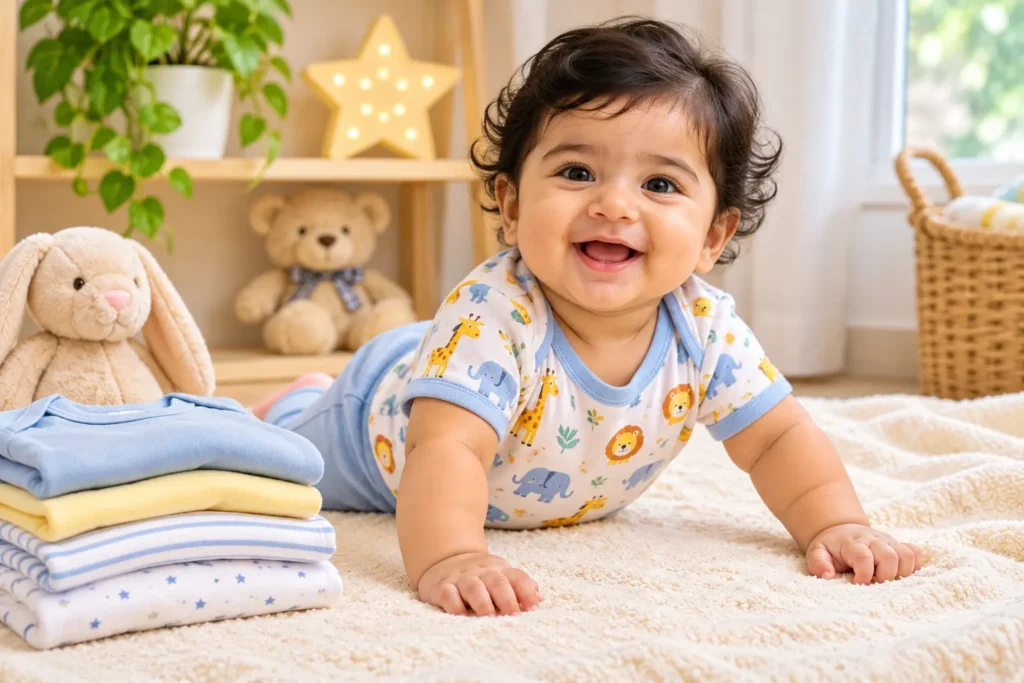
1. Understand Your Baby’s Everyday Clothing Needs
Babies need clothing that allows them to move comfortably while providing appropriate warmth and protection.
Unlike adults, babies cannot always communicate clearly when they feel uncomfortable, too warm or too cold. Parents should therefore pay attention to the fabric, fit and overall design of their clothing.
When selecting baby clothes, consider the following factors:
- Comfort: Clothing should feel soft against the skin without causing unnecessary friction.
- Breathability: Fabrics should allow air circulation and help manage warmth.
- Flexibility: Clothes should allow natural movement of the arms, legs and body.
- Convenience: Easy openings and secure fasteners make changing and dressing simpler.
- Safety: Avoid loose buttons, detachable decorations and unsuitable cords or drawstrings.
- Practicality: Select clothes that are easy to wash, dry and maintain.
Parents should also consider their baby’s age, activity level, climate and daily routine before purchasing new outfits.
2. Choose Fabrics for Comfortable Baby Clothes
Fabric selection is one of the most important considerations when buying comfortable baby clothes.
A baby’s skin can be sensitive to rough textures, irritating seams and unsuitable materials. Soft, breathable fabrics are generally a practical choice for everyday clothing.
2.1 Cotton Clothing
Cotton is widely used in baby clothing because it is generally soft, comfortable and breathable.
Cotton garments are available in different weights and textures, making them suitable for a variety of everyday outfits.
Consider cotton when purchasing:
- Bodysuits and vests.
- Everyday tops and bottoms.
- Lightweight summer outfits.
- Comfortable sleepsuits.
- Soft inner layers.
Choose garments with a smooth texture and comfortable construction. Always check the fabric composition and washing instructions rather than assuming that every cotton garment will feel equally comfortable.
2.2 Muslin and Lightweight Fabrics
Muslin is a lightweight, loosely woven cotton fabric commonly used in baby products.
Its airy construction can make it suitable for warm-weather clothing and lightweight garments.
Parents may consider muslin clothing when they want breathable outfits that do not feel unnecessarily heavy.
However, check the garment’s construction and fit to ensure that it is suitable for the intended use.
2.3 Cotton Blends and Other Fabrics
Some baby garments contain cotton blended with other fibres to provide additional stretch, durability or shape retention.
These fabrics can be practical when they remain soft, comfortable and suitable for the surrounding temperature.
When comparing fabric options, consider:
- Fabric composition.
- Softness against the skin.
- Breathability.
- Stretch and flexibility.
- Durability after repeated washing.
- Manufacturer’s care instructions.
Do not select clothing based only on claims such as natural, organic or premium. Examine the actual fabric, stitching and overall quality of the garment.
3. Select the Correct Clothing Size
Choosing the right size is essential for your baby’s comfort and freedom of movement.
Clothing that is too tight may restrict movement, create pressure around the waist or legs and make dressing uncomfortable. Oversized garments may become inconvenient and can introduce additional safety concerns.
3.1 Do Not Depend Only on Age Labels
Baby clothing sizes are commonly labelled according to age ranges, such as:
- Newborn.
- 0–3 months.
- 3–6 months.
- 6–9 months.
- 9–12 months.
- 12–18 months.
However, babies grow at different rates, and sizing can vary between manufacturers.
Always check the manufacturer’s height and weight recommendations, where provided, rather than relying only on the age printed on the label.
3.2 Allow Comfortable Movement
Baby clothes should provide enough room for natural movement without being excessively loose.
Before purchasing, check:
- The garment does not press tightly around the waist.
- Armholes allow comfortable movement.
- Leg openings do not leave uncomfortable marks.
- The neckline is easy to put on and remove.
- The garment accommodates the diaper without excessive tightness.
Parents should regularly check clothing as their baby grows and replace garments that become restrictive.
3.3 Check the Neckline and Openings
Clothes with suitable neck openings make dressing easier.
Envelope-style necklines, front openings and garments with convenient fasteners can be particularly helpful when dressing younger babies.
Avoid clothing that requires excessive pulling around the baby’s head or causes unnecessary discomfort during changing.
4. Examine Seams, Labels, Fasteners and Decorations
A garment may look attractive but still be uncomfortable because of its construction. When choosing comfortable baby clothes, parents should examine the stitching, labels and fasteners as carefully as the fabric.
4.1 Check Seams and Labels
Rough seams and prominent labels may rub against delicate skin.
Look for:
- Smooth stitching.
- Flat and comfortable seams.
- Soft fabric around the neckline.
- Labels that do not scratch the skin.
- Properly finished edges without loose threads.
Where printed labels are available, they may be more comfortable than rough sewn-in labels.
4.2 Examine Buttons, Zips and Snap Fasteners
Fasteners should be secure, easy to operate and comfortable for the baby.
Front-opening garments, snap-button bodysuits and suitable zippers can make dressing and diaper changes easier.
Before purchasing, check that:
- Buttons are firmly attached.
- Snap fasteners close securely.
- Zippers operate smoothly.
- Zip guards or protective fabric prevent direct contact with the baby’s skin.
- No sharp or exposed edges are present.
Loose buttons, snaps and decorative pieces can become choking hazards if they detach. Inspect garments regularly, particularly after repeated washing.
4.3 Avoid Unsafe Cords and Loose Decorations
Avoid garments with long cords, unsuitable drawstrings or detachable decorations that may become caught or pose a choking or strangulation risk.
Pay particular attention to:
- Loose ribbons and bows.
- Long cords around the neck.
- Decorative buttons that are not securely attached.
- Small detachable accessories.
- Loose threads and fabric attachments.
Simple designs are often easier to maintain and may be more practical for everyday baby clothing.
For further guidance, consult the Consumer Product Safety Office’s safety tips on children’s apparel.
5. Final Checklist for Choosing Comfortable Baby Clothes
The clothes your baby needs depend on the surrounding temperature, humidity, season and indoor environment.
Selecting suitable clothing helps maintain comfort throughout the day.
5.1 Baby Clothes for Warm Weather
In warm and humid conditions, lightweight clothing can help keep babies comfortable.
Consider:
- Lightweight cotton bodysuits.
- Short-sleeved tops.
- Loose-fitting, breathable daytime outfits.
- Lightweight cotton bottoms.
- Comfortable clothing without unnecessary layers.
Avoid overdressing your baby, particularly during hot weather.
The NHS recommends lightweight clothing and generally a single layer in hot conditions for young babies.
Read the NHS guide to dressing a newborn baby.
5.2 Baby Clothes for Cooler Weather
During cooler weather, suitable layers can help maintain warmth without making your baby uncomfortable.
Parents may consider:
- Full-sleeved cotton bodysuits.
- Lightweight cardigans.
- Comfortable full-length sleepsuits.
- Socks or booties when appropriate.
- Weather-appropriate outer layers.
A useful general guideline for cooler conditions is to dress a baby in approximately one additional layer compared with an adult in the same environment.
However, remove additional clothing when moving indoors or into a warm vehicle.
5.3 Check Your Baby’s Temperature Regularly
Babies can become too warm when wearing excessive clothing or being exposed to a hot environment.
Parents should check their baby’s chest or tummy rather than relying only on the temperature of their hands and feet.
Signs such as sweating or a hot tummy may indicate that the baby is too warm.
Remove unnecessary layers and adjust clothing according to the conditions.
6. Select Practical Everyday Baby Clothing Essentials
Parents do not need to purchase a large collection of outfits immediately.
A small selection of comfortable, versatile and easy-to-maintain garments can meet many everyday requirements.
Consider the following clothing essentials:
6.1 Bodysuits and Vests
Bodysuits and vests are useful everyday garments for babies.
Look for soft fabric, comfortable necklines and convenient fasteners that make changing easier.
6.2 Sleepsuits and Rompers
Sleepsuits and rompers are practical one-piece garments.
They can be useful for everyday wear, resting and sleeping, depending on their design and suitability.
Choose garments that allow comfortable movement and are appropriate for the surrounding temperature.
6.3 Tops and Bottoms
Separate tops and bottoms provide flexibility when dressing older babies.
Choose comfortable waistbands, soft fabrics and designs that are easy to put on and remove.
6.4 Socks, Hats and Seasonal Accessories
Socks and suitable hats may be helpful depending on the weather and outdoor conditions.
Choose comfortable sizes and avoid accessories that are too tight or have loose decorative attachments.
During sunny weather, a suitable sun hat can provide additional protection when the baby is outdoors.
6.5 Buy According to Your Requirements
Before purchasing, consider how often you wash clothes, the baby’s current size and the local climate.
Buying too many garments in the same size may lead to unnecessary spending because babies can outgrow clothing quickly.
A practical wardrobe should provide enough clean clothing for everyday needs without excessive duplication.
7. Choose Suitable Baby Sleepwear
Clothing used during sleep deserves particular attention because babies spend a substantial amount of time resting.
Choose comfortable sleepsuits and other sleepwear appropriate for your baby’s size and the room temperature.
7.1 Check the Fit and Fabric
Suitable sleepwear should allow natural movement without being excessively loose or restrictive.
Look for:
- Soft and comfortable fabric.
- Suitable sleeve and leg lengths.
- Secure fasteners.
- No loose decorative accessories.
- Appropriate sizing for the baby’s age and measurements.
Always follow the manufacturer’s instructions for the garment’s intended use.
7.2 Avoid Overdressing During Sleep
Excessive clothing and bedding can cause babies to become too warm.
The number of layers should be adjusted according to room temperature and the baby’s clothing.
For further information about comfortable clothing and temperature management, refer to the NHS guidance on dressing newborn babies.
7.3 Choose Sleepwear Carefully
When selecting sleepwear, check the relevant product information, intended use and applicable safety requirements.
Parents purchasing imported sleepwear should also examine whether the manufacturer provides suitable safety and care information.
For families buying products in the United States, the US Consumer Product Safety Commission’s children’s sleepwear guidance explains the applicable flammability requirements for covered products.
Remember that comfortable clothing does not replace safe-sleep practices. Follow recognised guidance when preparing your baby’s sleeping environment.
For more information, read our guide to Baby Cribs and Sleep Essentials: What to Look For.
8. Wash and Care for Baby Clothes Properly
Good clothing care helps maintain fabric quality, cleanliness and comfort. Because baby garments are washed frequently, parents should follow the care label and use suitable washing and drying methods. This helps keep comfortable baby clothes soft, clean and suitable for everyday wear.
Consider these practices:
- Wash new clothes before their first use.
- Follow the washing instructions on garment labels.
- Separate heavily soiled garments when appropriate.
- Use the recommended washing temperature.
- Rinse clothes properly.
- Avoid leaving damp garments in enclosed spaces.
- Dry clothes thoroughly before storage.
If a particular detergent or fabric product appears to irritate your baby’s skin, consider changing the product and seek professional advice if irritation persists.
Parents should also inspect garments after washing to identify loose threads, damaged fasteners, broken buttons or deteriorating fabric.
Clothes that have become rough, damaged or unsuitable should be replaced.
9. Common Mistakes to Avoid When Buying Baby Clothes
Parents sometimes purchase baby clothing based mainly on appearance, discounts or attractive designs.
However, a few common mistakes can result in unnecessary spending or uncomfortable garments.
9.1 Buying Excessive Quantities
Babies grow quickly, and clothes may become too small within a relatively short period.
Buy according to current requirements rather than purchasing too many outfits in a single size.
9.2 Choosing Fashion Over Comfort
Attractive colours, prints and designs can be appealing, but they should not be the primary reason for purchasing baby clothes.
Always examine fabric quality, fit, stitching and safety.
9.3 Ignoring Size Charts
Different manufacturers may use different measurements for the same age range.
Check the size chart before ordering online.
9.4 Purchasing Clothes with Unsafe Decorations
Loose buttons, unsuitable cords and detachable decorative pieces may introduce avoidable risks.
Inspect these details before purchasing and during regular use.
9.5 Ignoring Washing Instructions
Some garments require special care to maintain their shape, softness and quality.
Read the washing label before purchasing and consider whether the garment is practical for your regular laundry routine.
9.6 Overdressing the Baby
Parents sometimes add unnecessary layers because they are concerned about their baby feeling cold.
However, excessive clothing may cause overheating, particularly in warm weather and indoor environments.
Choose layers according to the surrounding conditions and check your baby’s comfort regularly.
10. Final Buying Checklist: What Parents Should Compare
Before purchasing baby clothing, use this checklist to compare different products and make an informed decision.
Product or feature – What parents should check
- Fabric: Soft, breathable and suitable for the surrounding temperature.
- Comfort: Smooth texture without unnecessary friction.
- Size: Appropriate measurements with sufficient room for movement.
- Fit: Comfortable around the waist, arms, legs and neckline.
- Seams: Properly finished stitching and comfortable edges.
- Labels: No rough or irritating labels.
- Fasteners: Secure buttons, snaps and suitable zippers.
- Decorations: No loose buttons, detachable accessories or unsuitable cords.
- Seasonal suitability: Appropriate for warm, humid or cooler conditions.
- Sleepwear: Suitable design, fit and intended use.
- Ease of washing: Easy to clean and maintain according to the care label.
- Durability: Good stitching and fabric quality after repeated washing.
- Price: Reasonable value without unnecessary purchases.
Using this checklist can help parents compare baby clothing options more confidently and avoid purchasing items that offer little practical value.
Conclusion
Choosing comfortable baby clothes involves more than selecting attractive designs and colours. Parents should focus on suitable fabrics, correct sizing, practical construction and clothing safety.
Soft and breathable materials, comfortable fits, secure fasteners and weather-appropriate layers can make everyday dressing easier for both babies and parents.
A carefully selected baby wardrobe does not need to be expensive or extensive. A practical collection of well-fitting, comfortable and easy-to-maintain garments is often sufficient for everyday use.
By considering these factors before purchasing, parents can make better choices and provide their little ones with comfortable clothing as they grow.
Disclaimer: This article is intended for general informational purposes only. It does not replace professional medical advice or product safety guidance. Parents should follow garment labels, manufacturer instructions and applicable safety requirements. Consult a qualified healthcare professional if your baby experiences persistent skin irritation or other concerns.
Affiliate Disclosure: Some links on this website may be affiliate links. If you purchase through these links, we may earn a commission at no additional cost to you. We aim to recommend and discuss products that offer useful features and practical value for parents.